Effective Rosacea Treatments: A Comprehensive Guide
A guide to understanding, treating, and preventing Rosacea using proven medical and natural approaches.
We’ve all experienced the frustration of dealing with facial redness and skin irritation, but for those of us with rosacea, it’s a daily struggle.
In this comprehensive guide, we’ll explore the signs and symptoms of rosacea, including the telltale facial redness and potential complications like rhinophyma. We’ll dive into lifestyle management strategies to control rosacea triggers and discuss advanced treatment options, from topical rosacea creams to cutting-edge therapies. Whether you’re newly diagnosed or looking for fresh approaches, this article aims to provide you with valuable information to tackle your rosacea head-on.
Recognizing Rosacea: Signs and Symptoms
Catching rosacea in its initial stages allows us to start treatment promptly and prevent the condition from progressing. Let’s dive into the key indicators that you may have rosacea.
1. Facial Redness
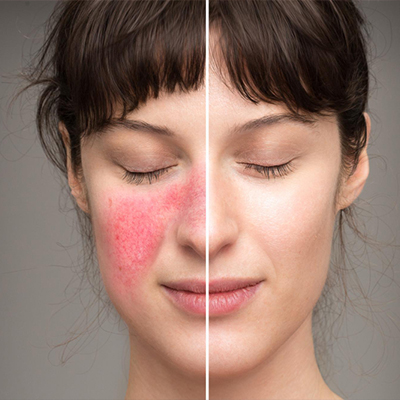
One of the most common and noticeable signs of rosacea is persistent facial redness, particularly across the nose and cheeks. This redness may come and go initially, but over time, it tends to become more persistent. For those of us with lighter skin tones, the redness is often quite visible, while in darker skin tones, it may appear as a darker brown or violet colour.
2. Visible Blood Vessels
Another tell tale sign of rosacea is the appearance of visible blood vessels, known as telangiectasia, on the face. These tiny, dilated blood vessels often appear on the cheeks and nose, giving the skin a flushed appearance.
It’s important to note that visible blood vessels can be a sign of other skin conditions as well, so it’s always best to consult with a dermatologist for an accurate diagnosis.
3. Bumps and Pimples
These bumps, called papules and pustules, can be mistaken for adult acne. However, unlike acne, rosacea bumps and pimples typically don’t have blackheads or whiteheads and tend to appear on the cheeks, nose, and forehead.
4. Eye Problems
Rosacea can also affect the eyes, causing a range of symptoms known as ocular rosacea. Common signs of ocular rosacea include:
- Dryness
- Redness
- Burning or stinging sensation
- Sensitivity to light
- Blurred vision
- Visible blood vessels on the eyelids
If you notice any changes in your eyes along with other rosacea symptoms, it’s crucial to see an eye doctor or dermatologist promptly. Left untreated, ocular rosacea can lead to more serious eye complications.
In addition to these primary signs and symptoms, rosacea can cause other discomforts like burning, stinging, or itching sensations on the face. Some people with rosacea also experience dry, rough, or scaly skin.
It’s important to remember that rosacea symptoms can vary from person to person and may change over time. Keeping track of your specific symptoms and triggers can help you and your dermatologist develop a personalised treatment plan to keep your rosacea under control.
If you suspect you may have rosacea based on these signs and symptoms, don’t hesitate to schedule an appointment with a dermatologist. Early diagnosis and treatment are key to managing this chronic skin condition and minimising its impact on your daily life. In the next section, we’ll explore lifestyle changes and skincare tips that can help control rosacea flare-ups.
Lifestyle Management for Rosacea Control
Identifying Triggers
One of the most important steps in managing rosacea is pinpointing our individual triggers. Common culprits include sun exposure, extreme temperatures, spicy foods, alcohol, and certain skincare products. It is recommended keeping a rosacea diary to track your daily activities, environmental factors, and diet, noting any correlations with increased facial redness or other symptoms.
Everyone’s triggers are different, so take the time to identify yours through careful observation and record-keeping.
Skincare Routine
Developing a gentle, rosacea-friendly skincare routine is essential for managing this condition. Look for products specifically formulated for sensitive skin, avoiding harsh ingredients like alcohol, fragrance, and exfoliants.
When cleansing, use your fingertips to gently massage the product onto your face, rinse with lukewarm water, and pat dry with a soft towel. Avoid scrubbing or using abrasive washcloths, as this can further irritate your skin. Apply moisturiser to help hydrate and strengthen your skin’s barrier, and never skip sunscreen, as UV exposure can be a major rosacea trigger.
Diet and Nutrition
While there’s no one-size-fits-all rosacea diet, many people find that certain foods can exacerbate symptoms. Spicy foods, hot beverages, and alcohol are common triggers, but other culprits may include dairy, chocolate, and citrus fruits. I recommend keeping a food diary alongside your rosacea diary to help identify any dietary triggers.
On the flip side, some foods may help reduce inflammation and support healthy skin. Omega-3 fatty acids, found in fatty fish, walnuts, and flaxseed, have been shown to have anti-inflammatory properties. Probiotic-rich foods like yogurt and kefir may also be beneficial, as there’s a growing understanding of the gut-skin connection in rosacea.
Stress Management
Stress is a well-known rosacea trigger, and learning to manage it effectively can have a significant impact on your skin’s health. Identify the sources of stress in your life and explore strategies to reduce or cope with them. This might include practising relaxation techniques like deep breathing, meditation, or yoga, engaging in regular exercise, or seeking support from friends, family, or a therapist.
By taking a holistic approach to lifestyle management, we can significantly reduce the frequency and severity of rosacea flare-ups. Remember, what works for one person may not work for another, so be patient and persistent in identifying the strategies that best support your skin’s health. With time and dedication, you can develop a personalised plan to keep your rosacea under control and feel more confident in your own skin.
Advanced Treatment Options
When lifestyle changes and topical treatments fail to control your symptoms, it may be time to explore more advanced treatment options with your dermatologist. In this section, we’ll dive into prescription medications, laser treatments, and surgical interventions that can provide relief for even the most stubborn rosacea cases.
Prescription Medications
When over-the-counter rosacea creams and gels aren’t enough, your dermatologist may recommend prescription-strength topical or oral medications. Topical ivermectin, an anti-inflammatory and anti-parasitic cream, has shown promising results in reducing inflammatory lesions associated with rosacea. It targets Demodex mites, which may contribute to the development of papules and pustules.
For more severe cases, oral antibiotics like doxycycline or minocycline can be prescribed at subantimicrobial doses. These medications work by reducing inflammation rather than killing bacteria. Low-dose oral isotretinoin, a powerful acne medication, may also be an option for those with persistent, difficult-to-treat rosacea.
It’s crucial to follow your dermatologist’s instructions carefully when using prescription medications for rosacea. They may recommend a combination of topical and oral treatments to target different aspects of the condition. Be patient, as it can take several weeks to notice improvements in your skin.
Laser Treatments
Laser and light therapies have emerged as effective treatments for reducing facial redness, visible blood vessels, and thickening skin associated with rosacea. These procedures work by targeting the dilated blood vessels beneath the skin’s surface, causing them to shrink and become less noticeable.
Pulsed dye lasers (PDL) and intense pulsed light (IPL) therapy are commonly used to treat the redness and flushing of rosacea. They emit specific wavelengths of light that are absorbed by the blood vessels, ultimately destroying them. While some redness and swelling may occur immediately after treatment, these side effects typically subside within a few days.
For those with thickened, bumpy skin on the nose (rhinophyma), CO2 lasers or erbium:YAG lasers can be used to reshape the tissue and improve the skin’s texture. These laser resurfacing treatments remove the outer layers of skin, promoting collagen production and smoothing out irregularities.
It’s important to note that laser treatments for rosacea are not a one-time fix. Multiple sessions may be necessary to achieve desired results, and touch-up treatments may be needed to maintain improvements. Additionally, these procedures can be costly and are not always covered by insurance.
Surgical Interventions
In severe cases of rhinophyma, where the nose becomes significantly enlarged and disfigured, surgical intervention may be necessary. Surgical procedures aim to remove excess tissue and reshape the nose to its original contours.
Dermabrasion is one surgical technique used to treat rhinophyma. This procedure involves using a rotating wire brush or diamond wheel to remove the thickened, bumpy skin. Electrosurgery, which uses a small probe to deliver an electric current, can also be employed to sculpt the nose and remove excess tissue.
While surgical interventions can dramatically improve the appearance of rhinophyma, they do carry risks such as scarring, infection, and changes in skin pigmentation. It’s crucial to choose a skilled, experienced surgeon who specialises in these procedures to minimise potential complications.
As with any rosacea treatment, it’s essential to have realistic expectations and understand that results may vary. Your dermatologist can help you weigh the benefits and risks of each option and develop a personalised treatment plan that addresses your unique needs and goals.
Remember, managing rosacea is a journey that requires patience, persistence, and a willingness to try new approaches. By exploring advanced treatment options and working closely with your dermatologist, you can take control of your symptoms and regain confidence in your skin.
Conclusion
Managing rosacea is a journey that requires patience and a multi-faceted approach. This guide has explored various strategies to control symptoms, from lifestyle adjustments to advanced medical treatments. By identifying triggers, developing a gentle skincare routine, and exploring treatment options with a dermatologist, those with rosacea can take steps to improve their skin health and boost their confidence.
Remember, there’s no one-size-fits-all solution for rosacea. What works for one person might not work for another, so it’s crucial to work closely with a healthcare professional to find the best approach for your unique situation. With the right combination of self-care and medical interventions, it’s possible to keep rosacea symptoms in check and enjoy healthier, more comfortable skin.
FAQs
What are the top treatments for rosacea that have been approved by the FDA?
Several treatments have received FDA approval for managing rosacea. These include Azelaic Acid, Encapsulated Benzoyl Peroxide Cream, Brimonidine, Oral Doxycycline, Topical Ivermectin, Oxymetazoline, Topical Minocycline, and Topical Metronidazole.
Can rosacea be completely cured with treatment?
While results vary, some individuals experience up to a 100% reduction in symptoms. Treatment sessions are typically spaced 3 to 4 weeks apart. For those with thickening skin, early intervention with in-office surgery and laser resurfacing can yield excellent results when performed by a skilled cosmetic dermatologist.
What is the typical duration for rosacea treatment to show results?
The response to rosacea treatment can differ from person to person, necessitating customised treatment plans that might include both self-care measures and medications. Most patients see gradual improvements, and it may take three months or more to observe significant changes.
How effective are antibiotics in treating rosacea?
Antibiotics can be quite effective in managing the symptoms of rosacea, especially when combined with lifestyle modifications such as avoiding known triggers, maintaining a healthy diet, and managing stress levels.